
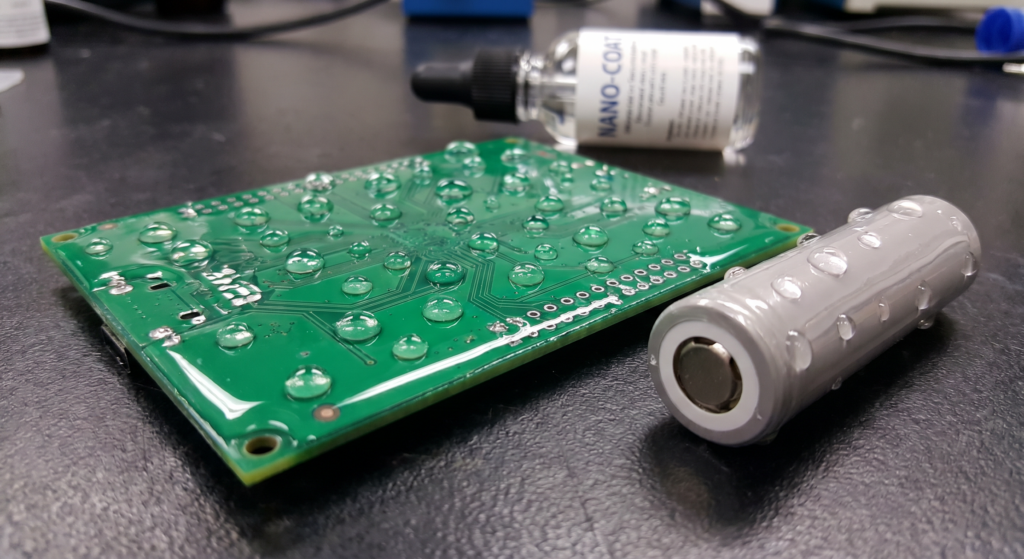
Protecting Electronics and Batteries with Advanced Nano Coatings
Electronics live in a hostile world. Touchscreens get smeared and scratched, optical sensors collect dirt, and the components inside a device face moisture and contamination that can shorten their life. Batteries add another layer of difficulty, since they need protection that also respects their electrical behaviour. Nano coatings are increasingly used to solve these problems, and Nanize’s polysilazane technology has several properties suited to the task.
The challenge of protecting sensitive devices
A protective coating for electronics has to walk a fine line. It needs to seal out moisture and dirt, survive handling and wear, and do all of that without interfering with how the device works or damaging delicate parts during application. High curing temperatures, in particular, can be a problem for heat-sensitive components.
Coatings that protect screens, sensors, and optics
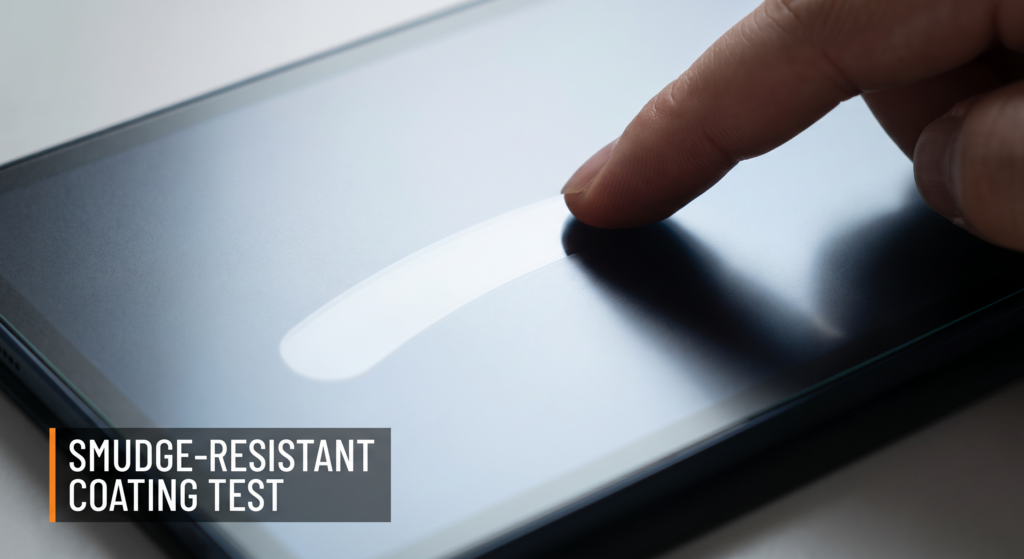
On the outside of a device, the main enemies are smudging, dirt, and abrasion. Nanize points to electronics among the areas its coatings serve, where manufacturers use them to protect touchscreens, optical components, and solar modules from smudging and abrasion. A hard, water-shedding surface keeps these parts clearer and more durable over time.
The hardness is built into the cured coating. Nanize coatings fully cure in under 1 minute below 70°C to create market leading hard scratch-resistant long-life coatings. For screens and optical surfaces that are touched and wiped constantly, scratch resistance is exactly what keeps them performing.
Why dielectric properties matter for batteries
Inside a device, the requirements change. A coating near electrical components must not interfere with their function, which is where Nanize highlights a specific property. The company states that its coatings can be applied using standard high-volume industrial processes and cured quickly at temperatures below which damage might occur, and that their dielectric properties make them especially suitable for use in batteries and other electronic assemblies.
A dielectric coating that also seals against moisture is well matched to battery and electronics work, where electrical insulation and environmental protection both matter.
A low-temperature cure protects delicate components
One of the biggest risks in coating electronics is heat. A process that runs cool avoids damaging the very parts it is meant to protect. Nanize states that its coatings cure quickly at temperatures below which damage might occur, and more broadly that they fully set at temperatures below 100°C, drastically reducing production cycles, and consume less energy than high-temperature curing processes. For sensitive assemblies, a cure that stays low and fast is a real practical advantage.
PFAS-free protection that fits existing production
Because the coating uses standard high-volume industrial processes, it is designed to fit into manufacturing rather than disrupt it. And like the rest of Nanize’s platform, it avoids PFAS entirely. Unlike traditional solutions, Nanize coatings are PFAS-free and are customisable to confer specific desired performance such as anti-adhesion, non-wetting, extremely low coefficient of friction and other properties with no harmful chemicals.